by Red
Share
by Red
Share
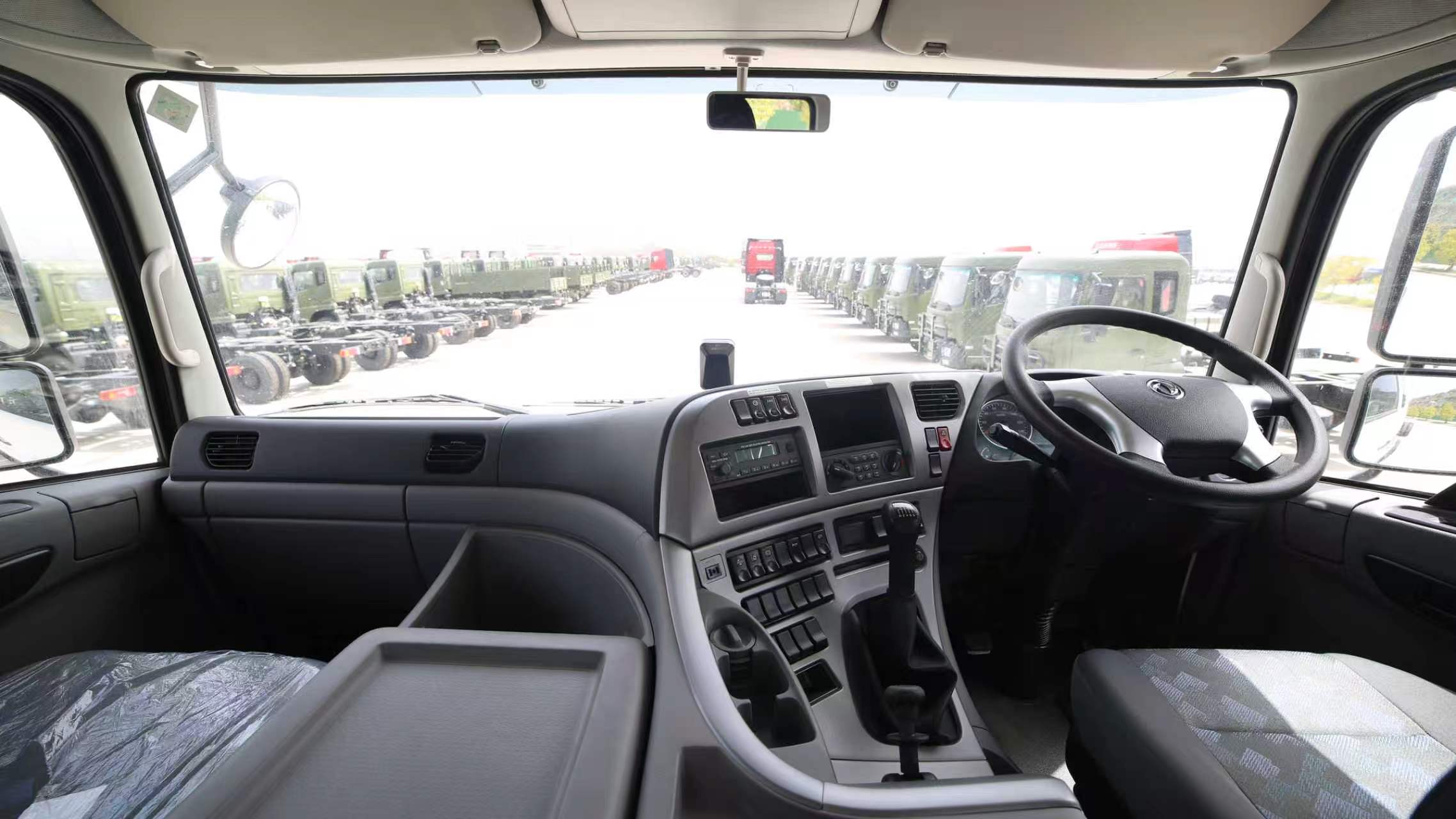
DONGFENG 8*4 420HP Heavy Duty Tipper Truck In Stock RHD Dump Truck For Sale
MOQ: 1 Unit • 8*4 • 420hp • Euro 3+
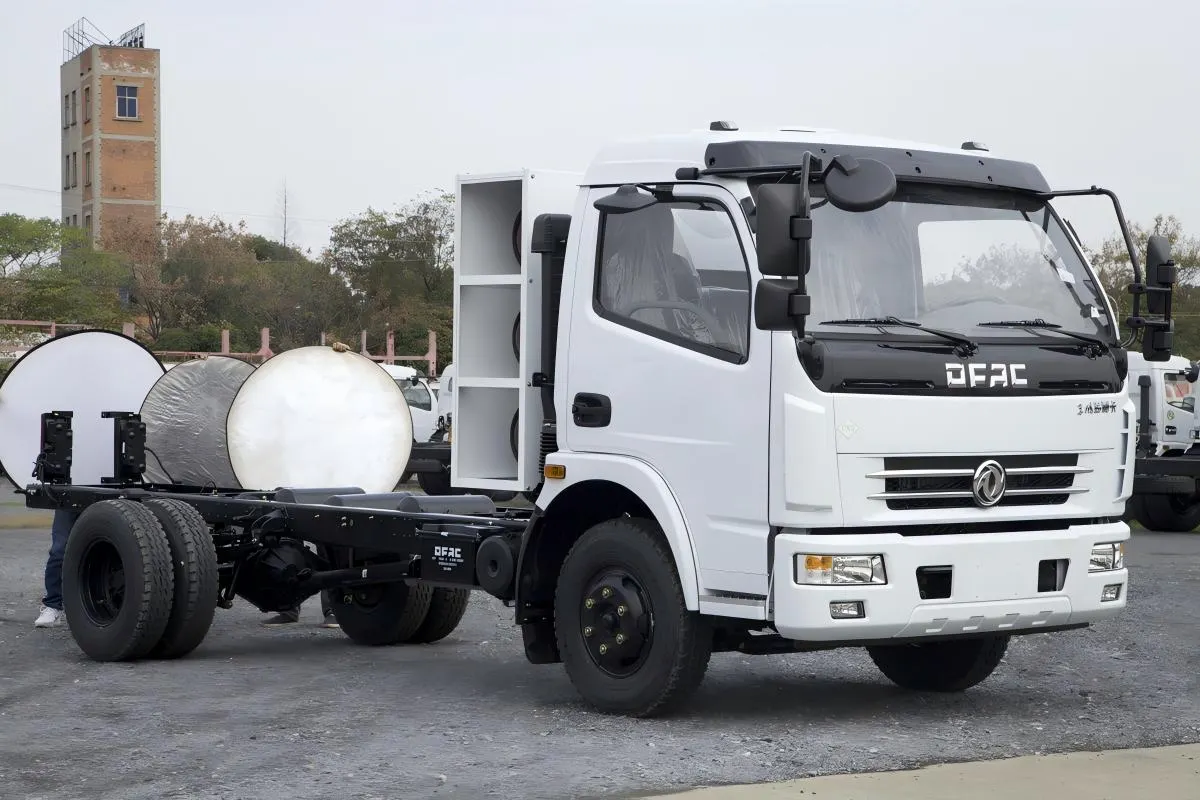
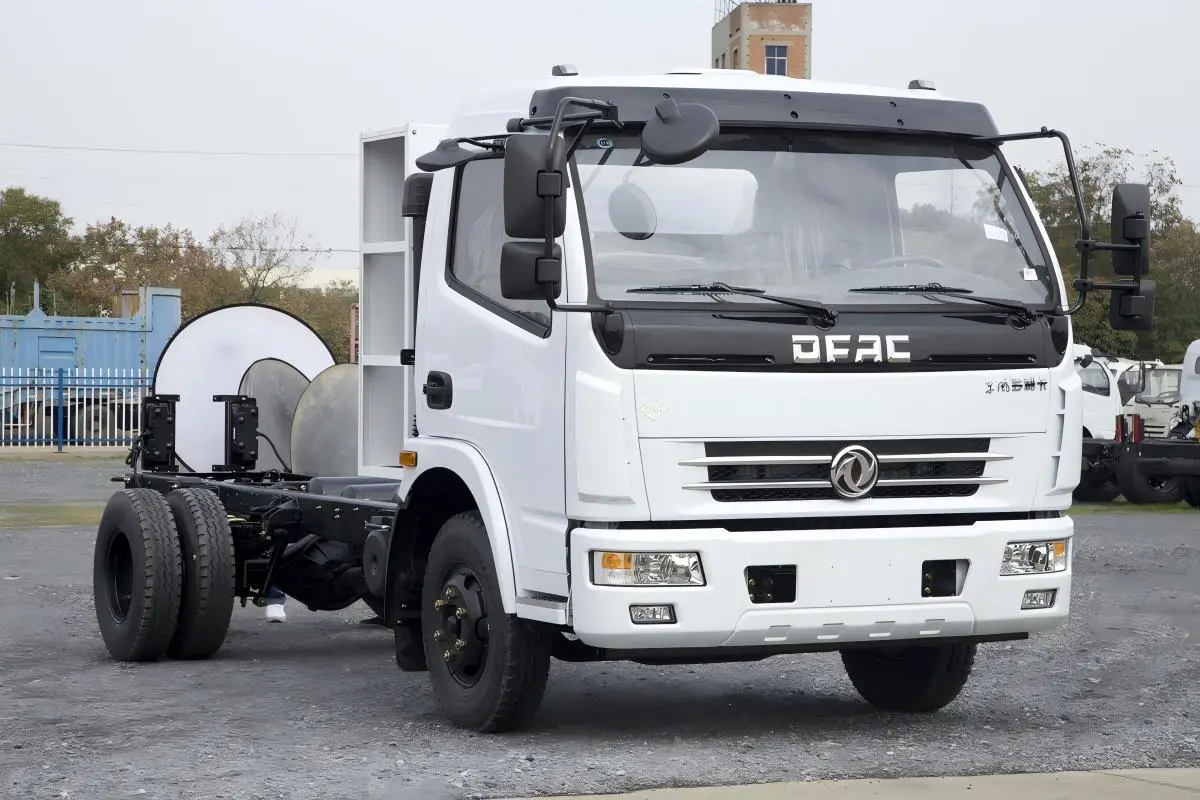
Cut Fuel Costs by 50% – Dongfeng 143HP CNG Truck Chassis | 5.14m Flatbed | Euro 5 Export Ready
MOQ: 1 Unit • 4x2 • 105 kW (143 HP) • Euro 5
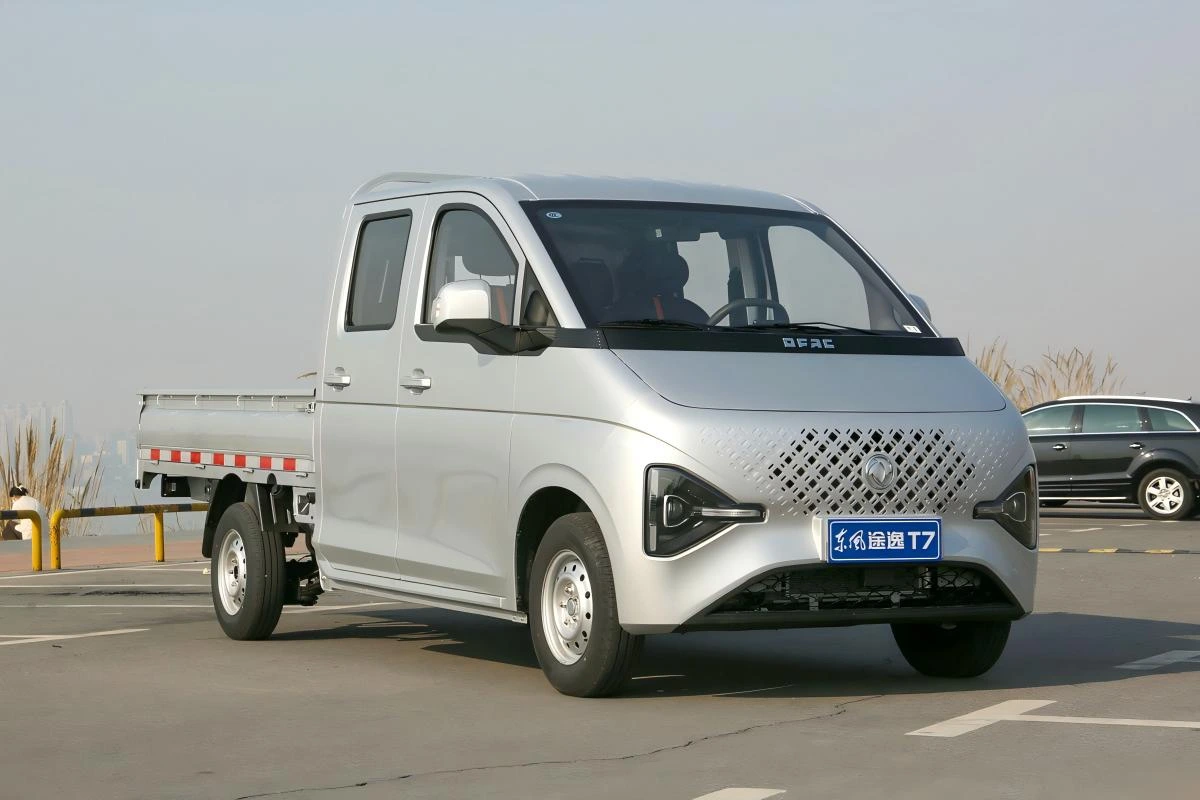
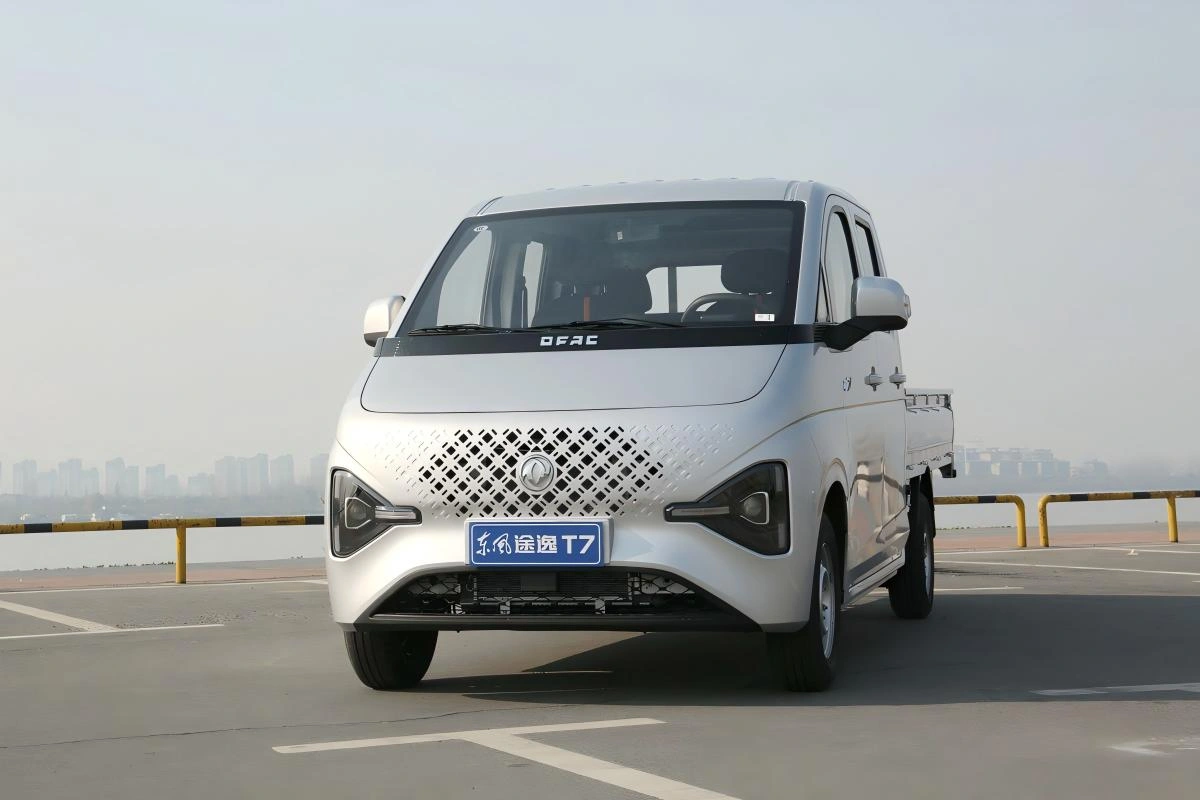
New TUYI T7 Double cab Small truck 122 HP 3.2tons Mini Flatbed Cargo Truck For Sale
MOQ: 1 Unit • 4x2 • 122 HP / 90 kW • Euro VI
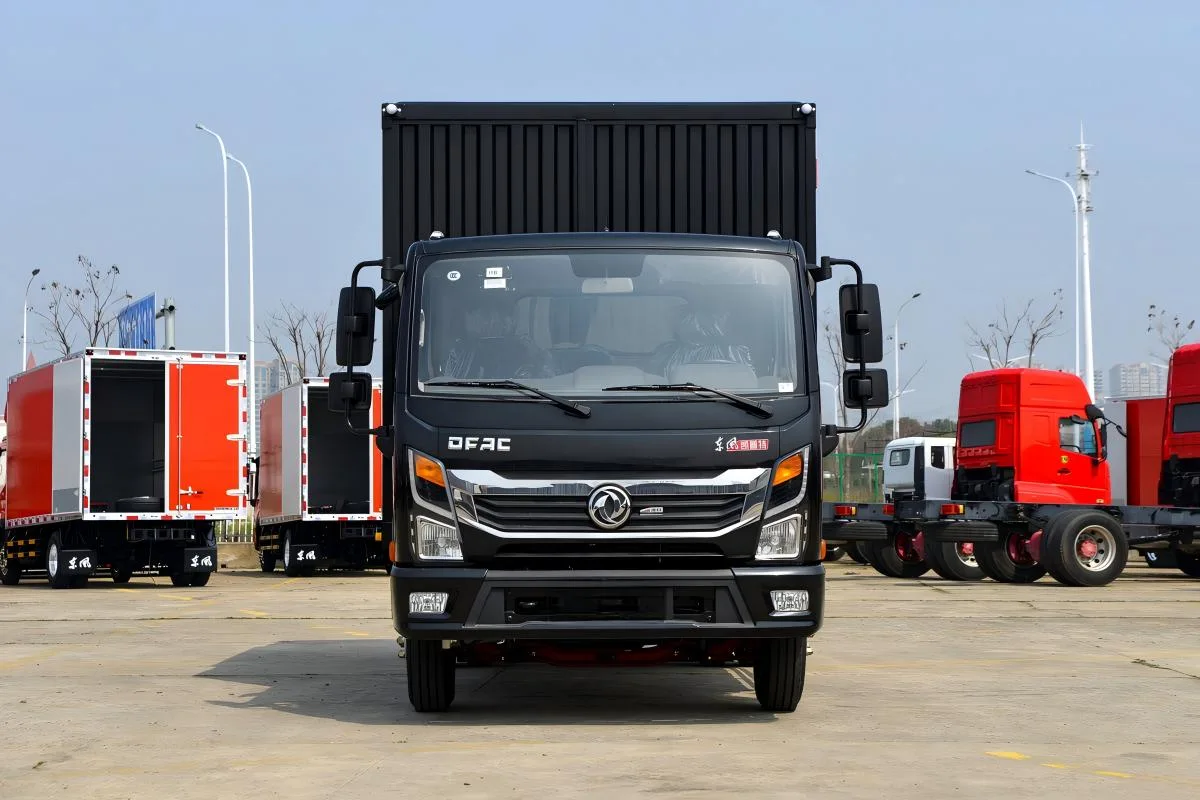
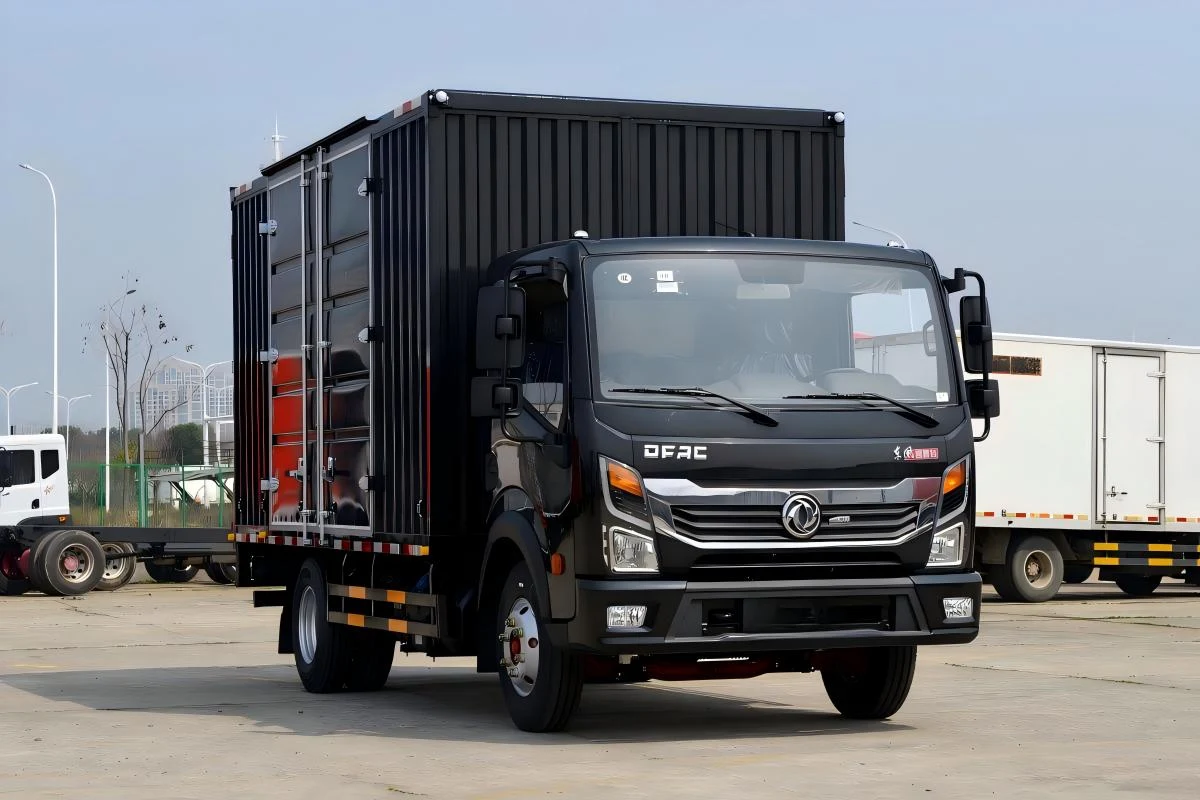
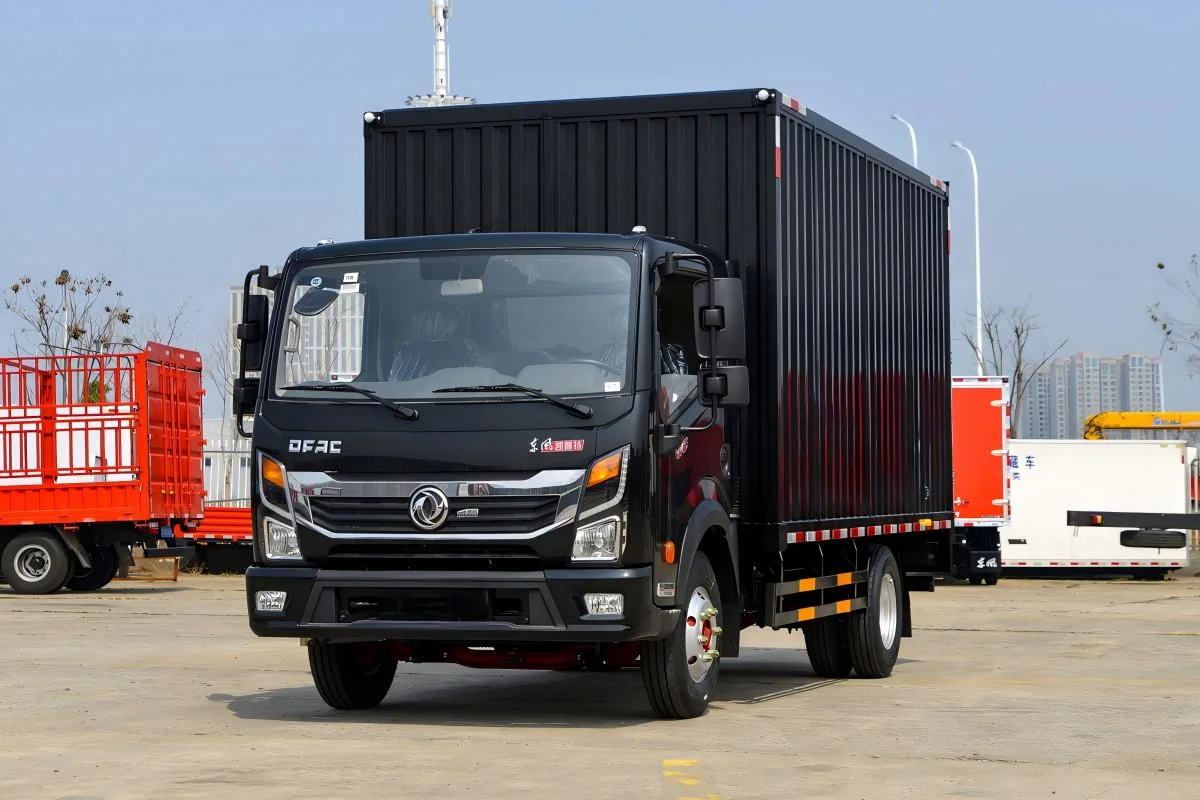
Shining Black Captain K6-M Light-Duty Cargo Truck 163HP 4.2m 26 ft Box Truck For Sale
MOQ: 1 Unit • 4x2 • 163 HP / 120 kW • Euro VI
Dongfeng Captain Star K6-L 163HP 4.15m Flatbed Light Cargo Truck (Euro VI) Price
MOQ: 1 Unit • 4x2 • 163 HP/ (120kW) • Euro VI
Dongfeng W17 102HP 4×2 3.3m Dump Truck – Compact Dumper Truck for Tight Urban Job Sites
MOQ: 1 Unit • 4x2 • 102 HP (75 kW) • Euro VI

Introduction
As the global transportation industry shifts toward cleaner and more efficient solutions, choosing the right tractor truck has become more complex than ever.
From traditional diesel engines to LNG, CNG, hydrogen fuel cells, and electric powertrains, each option offers unique advantages depending on your operating conditions, budget, and regional infrastructure.
In this guide, we break down the key differences between these truck types to help global fleet operators and importers make the right decision.
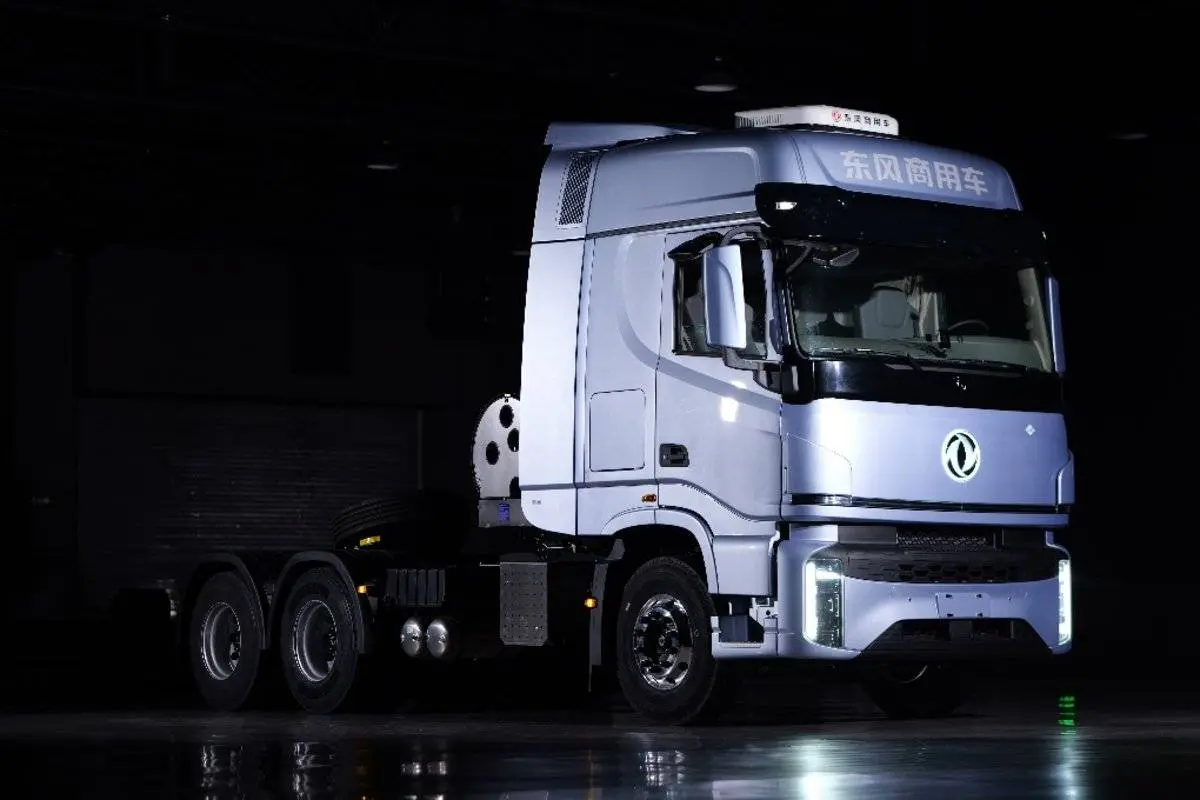
A Professional Selection Guide for Dongfeng Commercial Vehicles
When selecting a tractor truck, many global buyers are often confused by different powertrain options such as diesel, LNG, CNG, hydrogen fuel cell, and electric trucks.
However, the differences are not just about fuel type — they are fundamentally determined by:
👉 Operating conditions
👉 Energy cost structure
👉 Infrastructure availability
👉 Environmental regulations
👉 Vehicle performance and range
This guide provides a comprehensive comparison to help you choose the most suitable Dongfeng tractor truck for your business.
1. Quick Classification by Application (Most Important)
| Type | Typical Application | Infrastructure Dependency |
|---|---|---|
| Diesel Tractor Truck | Long-haul, heavy-duty transport | Very low |
| LNG Tractor Truck | Long-distance logistics | Medium |
| CNG Tractor Truck | Urban / short-distance transport | Medium |
| Hydrogen Tractor Truck | Pilot projects / green logistics | Very high |
| Electric Tractor Truck | Short-haul / port / urban delivery | High |
2. Detailed Differences by Power Type
3. Core Selection Logic (Most Practical)
Use this simple rule to choose the right tractor truck:
- Global, flexible usage → Diesel
- Long-haul with gas availability → LNG
- Urban or short-distance → CNG or Electric
- Zero-emission requirement → Electric or Hydrogen
- Future-oriented / government projects → Hydrogen
4. Professional Comparison Summary
5. Recommendations for International Markets (Export Focus)
- Africa / Middle East:
👉 Diesel is the primary choice (reliability and infrastructure priority) - Central Asia / Russia:
👉 LNG is highly competitive (abundant gas resources) - Europe:
👉 Electric + Hydrogen (policy-driven markets) - Southeast Asia:
👉 Diesel + CNG (transition phase)
Conclusion
There is no “best” tractor truck power type — only the most suitable solution for your operating conditions.
👉 The right choice will help you:
✔ Reduce operating costs
✔ Improve transport efficiency
✔ Comply with local regulations
👉 The wrong choice may result in:
❌ High operating costs
❌ Limited usability
❌ Infrastructure constraints
Final Advice for Buyers
When selecting a tractor truck, always consider:
- Your primary application (long-haul vs short-haul)
- Local fuel or energy availability
- Government regulations and emission policies
- Total cost of ownership (TCO)
Nothing Found
STAY IN THE LOOP